How to Lower Blood Pressure Naturally: 7 Evidence-Based Strategies That Actually Work
High blood pressure, also known as hypertension, affects approximately 1.3 billion people worldwide and is a leading risk factor for heart disease, stroke, and kidney failure [1]. While medication plays an important role in managing severe hypertension, lifestyle interventions can be remarkably effective for preventing and controlling elevated blood pressure. In many cases, natural approaches can reduce blood pressure by ten to twenty mmHg or more, which is comparable to the effect of a single blood pressure medication.
This guide presents seven evidence-based strategies for lowering blood pressure naturally. These approaches are supported by rigorous scientific research and can be implemented immediately to support your cardiovascular health. Whether you have been diagnosed with hypertension or simply want to maintain healthy blood pressure as you age, these strategies offer practical, sustainable solutions.
Understanding Blood Pressure: What the Numbers Mean
Before diving into specific strategies, it is helpful to understand what blood pressure measurements represent. Blood pressure is recorded as two numbers: systolic pressure (the top number) and diastolic pressure (the bottom number). Systolic pressure measures the force of blood against artery walls when your heart beats, while diastolic pressure measures the force between beats when your heart is at rest.
According to current guidelines, normal blood pressure is defined as less than 120/80 mmHg. Elevated blood pressure ranges from 120-129 systolic and less than 80 diastolic. Stage 1 hypertension is 130-139 systolic or 80-89 diastolic, and Stage 2 hypertension is 140/90 mmHg or higher. Even small increases above the normal range are associated with increased cardiovascular risk, which is why prevention and early intervention are so important.
1Adopt the DASH Diet: Dietary Approaches to Stop Hypertension
The DASH diet is one of the most extensively researched dietary patterns for blood pressure management. Developed specifically to combat hypertension, the DASH diet emphasizes fruits, vegetables, whole grains, lean proteins, and low-fat dairy while limiting sodium, red meat, and added sugars.
Clinical trials have demonstrated that the DASH diet can lower systolic blood pressure by eight to fourteen mmHg in individuals with hypertension [2]. The diet works through multiple mechanisms: it provides high levels of potassium, magnesium, and calcium, which help regulate blood pressure; it is rich in fiber, which supports healthy weight management; and it reduces sodium intake, which directly lowers blood volume and vascular resistance.
Key Components of the DASH Diet:
The foundation of the DASH diet consists of vegetables and fruits, with a target of four to five servings of each per day. Whole grains such as brown rice, quinoa, and whole wheat bread should make up six to eight servings daily. Lean protein sources include fish, poultry, and plant-based options like beans and lentils, consumed in two to three servings per day. Low-fat dairy products provide calcium and protein while limiting saturated fat. Nuts, seeds, and healthy oils round out the diet, providing essential fatty acids and additional minerals.
The DASH diet limits sodium to no more than 2,300 milligrams per day, with an even lower target of 1,500 milligrams for those with existing hypertension or at higher cardiovascular risk. This requires careful attention to processed foods, restaurant meals, and added salt during cooking. Reading nutrition labels and choosing fresh, whole foods over packaged options are essential strategies for meeting sodium targets.
2Reduce Sodium Intake and Increase Potassium
Sodium and potassium have opposing effects on blood pressure, and the balance between these two minerals is critical for cardiovascular health. Excessive sodium intake causes the body to retain water, increasing blood volume and putting additional strain on blood vessels. High sodium consumption is directly linked to elevated blood pressure and increased risk of heart disease and stroke.
The average American consumes approximately 3,400 milligrams of sodium per day, well above the recommended limit [3]. Most of this sodium comes not from the salt shaker but from processed and restaurant foods. Bread, pizza, deli meats, canned soups, and savory snacks are among the top contributors to dietary sodium intake.
Reducing sodium intake to 1,500-2,300 milligrams per day can lower systolic blood pressure by five to six mmHg in individuals with hypertension. This requires a shift away from processed foods and toward fresh, whole ingredients prepared at home. Using herbs, spices, citrus, and vinegar to flavor foods can help make the transition more enjoyable.
The Potassium Connection:
While reducing sodium is important, increasing potassium intake is equally critical. Potassium helps the kidneys excrete excess sodium and relaxes blood vessel walls, both of which contribute to lower blood pressure. The recommended daily intake of potassium for adults is 3,400 milligrams for men and 2,600 milligrams for women, yet most people fall short of this target.
Excellent sources of potassium include bananas, sweet potatoes, spinach, avocados, beans, salmon, and yogurt. Incorporating potassium-rich foods into each meal can help shift the sodium-potassium balance in a favorable direction and support healthy blood pressure regulation.
3Maintain a Healthy Weight Through Sustainable Lifestyle Changes
Body weight and blood pressure are closely linked. Excess body weight, particularly abdominal fat, increases the workload on the heart and contributes to insulin resistance, inflammation, and hormonal imbalances that elevate blood pressure. Research has consistently shown that even modest weight loss can produce significant reductions in blood pressure.
For every kilogram (approximately 2.2 pounds) of weight lost, systolic blood pressure typically decreases by about one mmHg [4]. This means that losing ten pounds could lower systolic blood pressure by roughly four to five mmHg, a clinically meaningful reduction. The benefits of weight loss extend beyond blood pressure to include improvements in cholesterol levels, blood sugar control, and overall cardiovascular risk.
Sustainable Weight Loss Strategies:
Sustainable weight loss is achieved through a combination of dietary changes and increased physical activity. Rather than pursuing extreme diets or rapid weight loss, focus on creating a moderate calorie deficit of 500-750 calories per day, which typically results in a loss of one to two pounds per week. This pace of weight loss is more likely to be maintained over the long term and minimizes the loss of lean muscle mass.
Prioritize whole, minimally processed foods that are naturally lower in calorie density but high in nutrients and fiber. Vegetables, fruits, lean proteins, and whole grains should form the foundation of your diet. Limit added sugars, refined carbohydrates, and high-calorie beverages, which contribute to weight gain without providing satiety or nutritional value.
Mindful eating practices, such as eating slowly, paying attention to hunger and fullness cues, and avoiding distractions during meals, can help you naturally consume fewer calories without feeling deprived. Keeping a food journal or using a tracking app can increase awareness of eating patterns and support accountability.
4Engage in Regular Aerobic and Resistance Exercise
Physical activity is one of the most powerful lifestyle interventions for lowering blood pressure. Both aerobic exercise (such as walking, jogging, cycling, and swimming) and resistance training (such as weightlifting) have been shown to reduce blood pressure in individuals with hypertension.
Aerobic exercise lowers blood pressure by improving the efficiency of the cardiovascular system, reducing arterial stiffness, and promoting the release of nitric oxide, a molecule that relaxes blood vessels. Regular aerobic activity can lower systolic blood pressure by five to eight mmHg and diastolic pressure by two to five mmHg [5].
Exercise Recommendations:
Current guidelines recommend at least 150 minutes of moderate-intensity aerobic exercise or 75 minutes of vigorous-intensity exercise per week, spread across most days of the week. Moderate-intensity activities include brisk walking, recreational cycling, and water aerobics, while vigorous activities include jogging, swimming laps, and cycling at a fast pace.
In addition to aerobic exercise, incorporating resistance training two to three days per week provides additional cardiovascular benefits. Strength training helps build lean muscle mass, which supports metabolic health and weight management. Exercises such as squats, lunges, push-ups, and weightlifting can be performed at home or in a gym setting.
For individuals who are new to exercise or have existing health conditions, it is important to start slowly and gradually increase intensity and duration. Consulting with a healthcare provider or certified fitness professional can help ensure that your exercise program is safe and appropriate for your individual needs.
5Limit Alcohol Consumption and Avoid Excessive Caffeine
Alcohol consumption has a complex relationship with blood pressure. While moderate alcohol intake may have some cardiovascular benefits, excessive drinking is a well-established cause of elevated blood pressure. Consuming more than two drinks per day for men or one drink per day for women can raise blood pressure and increase the risk of hypertension over time.
The mechanisms by which alcohol raises blood pressure include increased sympathetic nervous system activity, elevated cortisol levels, and direct effects on blood vessel tone. Reducing alcohol intake to moderate levels or eliminating it entirely can lead to significant reductions in blood pressure, particularly in individuals who are heavy drinkers.
Caffeine and Blood Pressure:
Caffeine can cause short-term spikes in blood pressure, particularly in individuals who are not regular caffeine consumers. However, the long-term effects of moderate caffeine intake on blood pressure are less clear, and some studies suggest that regular coffee drinkers may develop tolerance to the blood pressure-raising effects of caffeine.
For most people, moderate caffeine consumption (up to 400 milligrams per day, or about four cups of coffee) is unlikely to have a significant long-term impact on blood pressure. However, individuals with uncontrolled hypertension or those who are particularly sensitive to caffeine may benefit from reducing or eliminating caffeine intake.
6Manage Stress Through Mindfulness and Relaxation Techniques
Chronic stress is a significant contributor to elevated blood pressure. When you experience stress, your body releases hormones such as cortisol and adrenaline, which increase heart rate and constrict blood vessels. While these responses are adaptive in the short term, chronic activation of the stress response can lead to sustained elevations in blood pressure and increased cardiovascular risk.
Mind-body practices such as meditation, deep breathing exercises, yoga, and progressive muscle relaxation have been shown to reduce blood pressure by activating the parasympathetic nervous system, which promotes relaxation and counteracts the stress response. Regular practice of these techniques can lower systolic blood pressure by five to ten mmHg in some individuals [6].
Practical Stress Management Strategies:
Mindfulness meditation involves focusing your attention on the present moment without judgment. Even just ten to fifteen minutes of daily meditation can help reduce stress and lower blood pressure over time. Guided meditation apps and online resources make it easy to get started with a regular practice.
Deep breathing exercises, such as diaphragmatic breathing or the 4-7-8 technique, can be performed anywhere and provide immediate stress relief. These techniques slow the heart rate, reduce muscle tension, and promote a sense of calm.
Yoga combines physical postures, breath control, and meditation to promote relaxation and improve cardiovascular health. Regular yoga practice has been associated with reductions in blood pressure, improved endothelial function, and decreased inflammation.
7Incorporate Cocoa Flavanols Into Your Daily Routine
Cocoa flavanols are bioactive plant compounds found in cacao that have been shown to support cardiovascular health through multiple mechanisms. As discussed in detail in our comprehensive guide to cocoa flavanols, these compounds improve endothelial function, increase nitric oxide production, and promote healthy blood vessel relaxation.
Clinical studies have demonstrated that consuming 500-1,000 milligrams of cocoa flavanols per day can lower systolic blood pressure by three to five mmHg and diastolic pressure by two to three mmHg [7]. While these reductions may seem modest, they are clinically meaningful and can contribute to significant reductions in cardiovascular risk when sustained over time.
The FDA has authorized a qualified health claim recognizing that cocoa flavanols in high-flavanol cocoa powder may reduce the risk of cardiovascular disease [8]. This regulatory milestone reflects the growing body of evidence supporting the cardiovascular benefits of these compounds.
How to Use Cocoa Flavanols:
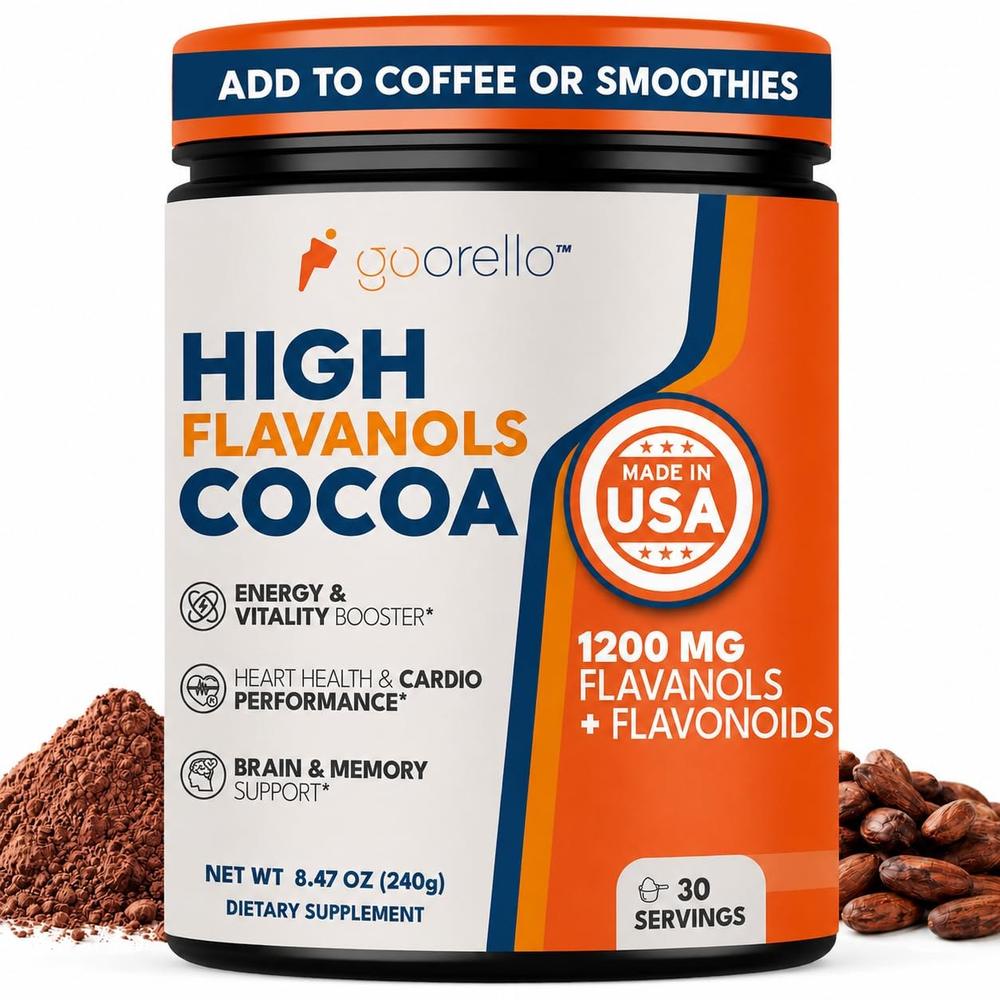
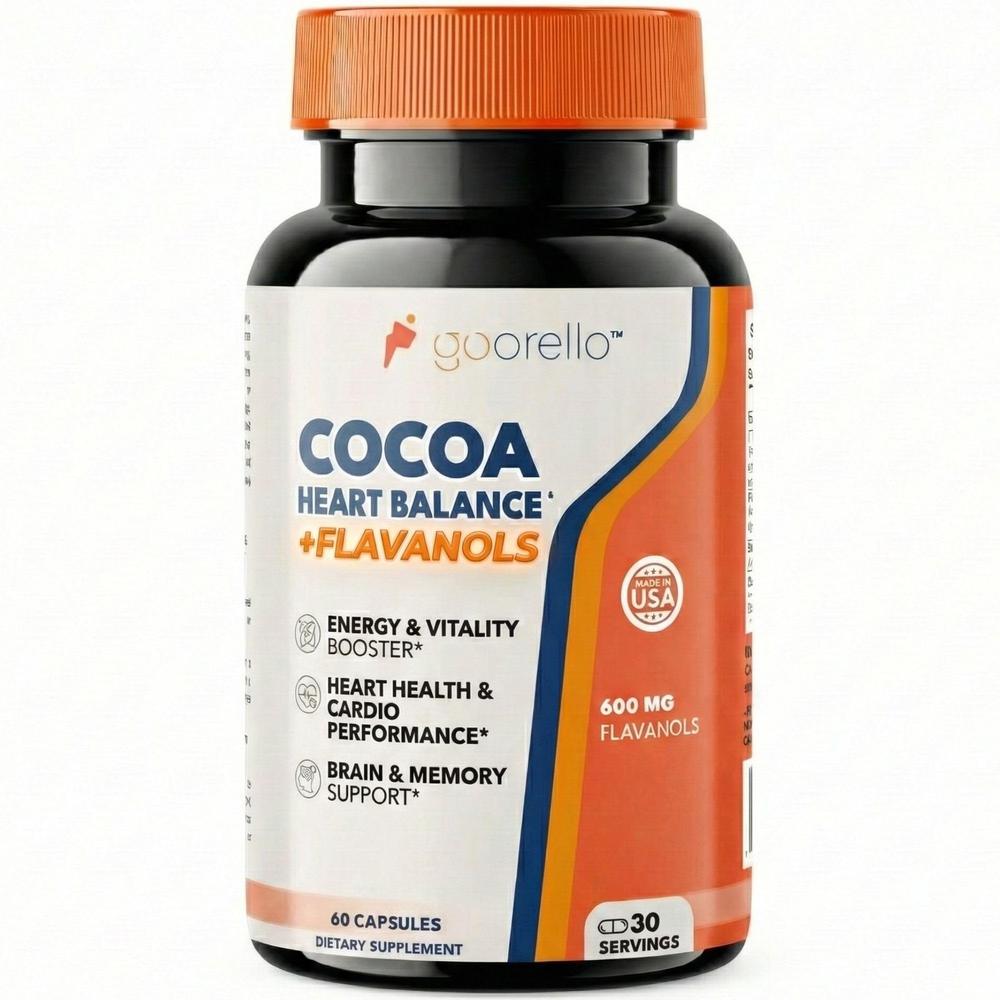
To achieve the doses used in clinical research, choose high-flavanol cocoa powder or concentrated supplements that clearly state the flavanol content per serving. Regular chocolate and standard cocoa powder have been heavily processed and contain much lower levels of bioactive flavanols.
High-flavanol cocoa powder can be mixed into coffee, smoothies, oatmeal, or yogurt as part of your daily routine. Consistency is key, as the blood pressure-lowering effects of cocoa flavanols are most pronounced with regular daily consumption over a period of weeks to months.
Putting It All Together: Creating Your Blood Pressure Action Plan
Lowering blood pressure naturally requires a comprehensive approach that addresses multiple lifestyle factors. Rather than trying to implement all seven strategies at once, which can feel overwhelming, consider starting with one or two changes and gradually building from there.
Begin by assessing your current diet and identifying areas for improvement. If you consume a lot of processed foods and restaurant meals, shifting toward a DASH-style eating pattern may be your highest-priority intervention. If you are sedentary, adding regular physical activity could provide the most significant benefit. If stress is a major factor in your life, incorporating daily relaxation practices may be the most impactful change.
Track your blood pressure regularly using a home blood pressure monitor. Monitoring your progress can help you see the effects of your lifestyle changes and provide motivation to continue. Keep a log of your blood pressure readings along with notes about your diet, exercise, stress levels, and sleep quality to identify patterns and refine your approach.
Remember that lifestyle changes take time to produce results. It may take several weeks to see significant reductions in blood pressure, so be patient and stay consistent. If your blood pressure remains elevated despite lifestyle interventions, or if you have been diagnosed with Stage 2 hypertension, work closely with your healthcare provider to determine whether medication is necessary in addition to lifestyle changes.
The Bottom Line
High blood pressure is a serious health condition, but it is also highly responsive to lifestyle interventions. By adopting a heart-healthy diet, maintaining a healthy weight, exercising regularly, managing stress, and incorporating evidence-based supplements like cocoa flavanols, you can achieve meaningful reductions in blood pressure and significantly lower your risk of cardiovascular disease.
These natural strategies are not a replacement for medical care, but they are powerful tools that can complement medication and, in some cases, reduce or eliminate the need for pharmacological intervention. Taking control of your blood pressure through lifestyle changes is one of the most important investments you can make in your long-term health and well-being.
References
[1] World Health Organization. (2023). Hypertension. Retrieved from https://www.who.int/news-room/fact-sheets/detail/hypertension
[2] Appel, L. J., et al. (1997). A clinical trial of the effects of dietary patterns on blood pressure. New England Journal of Medicine, 336(16), 1117-1124.
[3] Centers for Disease Control and Prevention. (2024). Sodium and the Dietary Guidelines. Retrieved from https://www.cdc.gov/salt/index.htm
[4] Neter, J. E., et al. (2003). Influence of weight reduction on blood pressure: a meta-analysis of randomized controlled trials. Hypertension, 42(5), 878-884.
[5] Cornelissen, V. A., & Smart, N. A. (2013). Exercise training for blood pressure: a systematic review and meta-analysis. Journal of the American Heart Association, 2(1), e004473.
[6] Ponte Márquez, P. H., et al. (2019). Benefits of mindfulness meditation in reducing blood pressure and stress in patients with arterial hypertension. Journal of Human Hypertension, 33(3), 237-247.
[7] González-Sarrías, A., et al. (2017). A Systematic Review and Meta-Analysis of the Effects of Flavanol-Containing Tea, Cocoa and Apple Products on Body Composition and Blood Lipids. Nutrients, 9(7), 746.
[8] U.S. Food and Drug Administration. (2023, February 3). FDA Announces Qualified Health Claim for Cocoa Flavanols in High Flavanol Cocoa Powder and Reduced Risk of Cardiovascular Disease. Retrieved from https://www.fda.gov/food/hfp-constituent-updates/fda-announces-qualified-health-claim-cocoa-flavanols-high-flavanol-cocoa-powder-and-reduced-risk