The Complete Guide to Cocoa Flavanols: Science-Backed Benefits for Heart Health
If you've heard about cocoa flavanols but aren't quite sure what they are or why they matter for your health, you're not alone. While chocolate has long been celebrated as a guilty pleasure, the specific compounds within cocoa that offer genuine health benefits have only recently gained widespread attention. In February 2023, the FDA issued a qualified health claim recognizing that cocoa flavanols may reduce the risk of cardiovascular disease [1]. This regulatory milestone marked a turning point in how we understand the relationship between cocoa and heart health.
This comprehensive guide will walk you through everything you need to know about cocoa flavanols, from the science behind their cardiovascular benefits to practical guidance on how to incorporate them into your daily wellness routine.
What Are Cocoa Flavanols?
Cocoa flavanols are a specific type of plant compound called flavonoids, which belong to the larger family of polyphenols. These bioactive molecules are naturally present in cacao beans and are responsible for many of the health-promoting properties associated with cocoa consumption. Unlike the sugar and fat found in chocolate bars, flavanols are the active ingredients that researchers have linked to measurable improvements in cardiovascular function.
The primary cocoa flavanols include epicatechin, catechin, and procyanidins. Among these, epicatechin has received particular attention from researchers due to its potent effects on blood vessel function and circulation. When you consume cocoa flavanols, these compounds are absorbed into your bloodstream and interact with the cells lining your blood vessels, triggering a cascade of beneficial physiological responses.
It is important to understand that not all cocoa products contain meaningful amounts of flavanols. Standard chocolate manufacturing processes, including fermentation, roasting, and alkalizing (Dutch processing), can destroy up to ninety percent of the naturally occurring flavanols in cacao beans [2]. This is why eating regular chocolate, even dark chocolate, does not guarantee you are receiving therapeutic levels of these beneficial compounds.
The FDA Qualified Health Claim: What It Means
In February 2023, the U.S. Food and Drug Administration authorized a qualified health claim for cocoa flavanols, allowing manufacturers of high-flavanol cocoa powder to state that their products may reduce the risk of cardiovascular disease [1]. The approved claim language reads: "Cocoa flavanols in high flavanol cocoa powder may reduce the risk of cardiovascular disease, although the FDA has concluded that there is very limited scientific evidence for this claim."
While the qualifier about "very limited scientific evidence" may sound cautious, this authorization is actually quite significant. The FDA does not grant health claims lightly, and this decision was based on a review of multiple clinical studies demonstrating cardiovascular benefits. The claim applies specifically to products that contain at least four percent naturally conserved cocoa flavanols and does not extend to regular cocoa powder, chocolate bars, or other processed cacao products.
This regulatory recognition provides consumers with an important tool for identifying legitimate high-flavanol products in a marketplace crowded with unsubstantiated health claims. When you see a product bearing the FDA-qualified health claim, you can be confident that it meets specific standards for flavanol content and processing integrity.
Seven Science-Backed Benefits of Cocoa Flavanols
1. Improved Blood Pressure Management
One of the most well-documented benefits of cocoa flavanol consumption is a modest but meaningful reduction in blood pressure. A systematic review and meta-analysis published in the journal Nutrients examined data from multiple randomized controlled trials and found that flavanol-rich cocoa consumption was associated with significant reductions in both systolic and diastolic blood pressure [3].
The mechanism behind this effect involves the production of nitric oxide, a molecule that signals blood vessels to relax and dilate. When you consume cocoa flavanols, the epicatechin and other compounds stimulate the endothelial cells lining your arteries to produce more nitric oxide, leading to improved blood flow and reduced vascular resistance. For individuals with elevated blood pressure or prehypertension, this effect can contribute to meaningful cardiovascular risk reduction over time.
Research suggests that the blood pressure-lowering effects of cocoa flavanols are most pronounced in individuals with existing hypertension or those at higher cardiovascular risk. While the magnitude of reduction may seem modest (typically in the range of three to five mmHg for systolic pressure), even small improvements in blood pressure can translate to significant reductions in heart attack and stroke risk when sustained over years.
2. Enhanced Endothelial Function
The endothelium is the thin layer of cells that lines the interior surface of blood vessels throughout your body. Healthy endothelial function is critical for cardiovascular health, as these cells regulate blood flow, prevent blood clots, and control inflammation. Endothelial dysfunction is an early marker of atherosclerosis and cardiovascular disease.
Multiple clinical studies have demonstrated that cocoa flavanol supplementation improves endothelial function, as measured by flow-mediated dilation (FMD), a standard test of blood vessel responsiveness [4]. In practical terms, this means that blood vessels become more flexible and responsive to changes in blood flow demand, which supports healthy circulation and reduces the strain on the cardiovascular system.
The improvement in endothelial function appears to be dose-dependent, with higher flavanol intakes (in the range of five hundred to one thousand milligrams per day) producing more substantial benefits. These effects can be observed within hours of consumption and appear to be sustained with regular daily intake.
3. Reduced Inflammation and Oxidative Stress
Chronic inflammation and oxidative stress are key drivers of cardiovascular disease, contributing to the development of atherosclerotic plaques and increasing the risk of heart attacks and strokes. Cocoa flavanols possess potent antioxidant and anti-inflammatory properties that help counteract these harmful processes.
Research published in 2025 demonstrated that cocoa flavanol supplements can lower levels of inflammatory markers linked to aging and cardiovascular disease [5]. The antioxidant activity of flavanols helps neutralize free radicals, unstable molecules that damage cells and contribute to vascular aging. By reducing oxidative stress, cocoa flavanols help protect the delicate endothelial cells that line blood vessels and support overall cardiovascular resilience.
The anti-inflammatory effects of cocoa flavanols extend beyond the cardiovascular system. Studies have suggested potential benefits for cognitive function, skin health, and metabolic wellness, all of which are influenced by chronic low-grade inflammation.
4. Improved Insulin Sensitivity and Metabolic Health
Insulin resistance and metabolic syndrome are major risk factors for cardiovascular disease, and emerging research suggests that cocoa flavanols may help improve metabolic function. A systematic review examining the effects of flavanol-rich cocoa on metabolic health found that regular consumption was associated with improvements in insulin sensitivity and glucose metabolism [6].
The mechanisms underlying these metabolic benefits are complex and involve multiple pathways. Cocoa flavanols appear to enhance insulin signaling in cells, improve glucose uptake by tissues, and reduce inflammation in fat tissue. These effects may be particularly relevant for individuals with prediabetes, metabolic syndrome, or type 2 diabetes, conditions that dramatically increase cardiovascular risk.
While cocoa flavanols should not be viewed as a replacement for established diabetes management strategies, they may serve as a valuable complementary intervention for supporting metabolic health and reducing cardiovascular risk in at-risk populations.
5. Inhibited Platelet Activation and Clotting
Excessive platelet activation and blood clot formation are central to the development of heart attacks and strokes. When plaques in the coronary arteries rupture, platelets rush to the site and form clots that can block blood flow to the heart or brain. Cocoa flavanols have been shown to reduce platelet activation and aggregation, making blood less likely to form dangerous clots [7].
This antiplatelet effect is similar in concept to the mechanism of action of aspirin, although cocoa flavanols work through different biochemical pathways and are generally considered safer for long-term use. The ability of cocoa flavanols to modulate platelet function without causing excessive bleeding risk makes them an attractive option for cardiovascular disease prevention.
It is important to note that individuals taking anticoagulant or antiplatelet medications should consult with their healthcare provider before adding high-dose cocoa flavanol supplements to their regimen, as there is a theoretical risk of additive effects.
6. Support for Cognitive Function and Brain Health
The same mechanisms that support cardiovascular health—improved blood flow, reduced inflammation, and enhanced endothelial function—also benefit the brain. Emerging research suggests that cocoa flavanol consumption may support cognitive function, particularly in older adults.
The landmark COSMOS trial, published in 2025, examined the effects of cocoa flavanol supplementation on cardiovascular and cognitive outcomes in older adults. The study found that participants who consumed cocoa flavanol supplements experienced improvements in markers of cardiovascular health, with researchers describing the results as "breathtaking" [8]. While the primary focus was on heart health, the improved cerebral blood flow associated with flavanol consumption has implications for cognitive function and may help reduce the risk of age-related cognitive decline.
Additional research has suggested that cocoa flavanols may enhance memory, processing speed, and executive function, particularly in individuals with existing cognitive impairment or vascular risk factors. These findings position cocoa flavanols as a promising intervention for supporting healthy brain aging.
7. Cardiovascular Disease Risk Reduction
The cumulative effect of the benefits described above—lower blood pressure, improved endothelial function, reduced inflammation, better metabolic health, and inhibited platelet activation—translates to a meaningful reduction in overall cardiovascular disease risk. While no single intervention can eliminate cardiovascular risk entirely, cocoa flavanols represent a valuable tool in a comprehensive prevention strategy.
The FDA's qualified health claim reflects the growing body of evidence supporting this conclusion. While the agency notes that the scientific evidence is "very limited," the authorization of the claim indicates that there is sufficient data to suggest a plausible benefit. As research continues to accumulate, the strength of the evidence supporting cocoa flavanols for cardiovascular disease prevention is likely to grow.
How Much Do You Need? Optimal Dosage Guidelines
One of the most common questions about cocoa flavanols is how much you need to consume to experience health benefits. Based on the available research, most clinical studies have used doses ranging from five hundred to one thousand milligrams of cocoa flavanols per day, with many studies converging on a target of around seven hundred to nine hundred milligrams as an optimal dose for cardiovascular benefits.
The FDA qualified health claim specifies that products must contain at least four percent naturally conserved cocoa flavanols to be eligible for the cardiovascular disease risk reduction claim. In practical terms, this means that a serving of high-flavanol cocoa powder should deliver approximately five hundred to one thousand milligrams of flavanols to align with the research supporting the claim.
It is important to recognize that achieving these therapeutic doses through regular chocolate consumption is neither practical nor advisable. A typical dark chocolate bar contains only fifty to two hundred milligrams of flavanols per serving, and the high sugar and calorie content makes it unsuitable as a primary source of flavanols. High-flavanol cocoa powder or concentrated supplements are the most effective and practical ways to achieve the doses used in clinical research.
Cocoa Flavanols vs. Regular Cocoa and Chocolate
A critical distinction must be made between high-flavanol cocoa products and the cocoa and chocolate products commonly found in grocery stores. Standard chocolate manufacturing processes are designed to improve taste, texture, and shelf stability, but these processes come at the cost of flavanol content.
Fermentation, roasting, and alkalizing (Dutch processing) are standard steps in chocolate production that dramatically reduce flavanol levels. Dutch-processed cocoa, which is treated with an alkalizing agent to reduce bitterness and darken the color, can lose up to ninety percent of its original flavanol content [2]. Even "dark chocolate" labeled as seventy percent cacao may contain relatively low levels of bioactive flavanols if it has been heavily processed.
High-flavanol cocoa products are specifically manufactured to preserve the natural flavanol content of cacao beans. This typically involves minimal processing, careful temperature control during roasting, and avoidance of alkalizing agents. The result is a product that retains the bitter, astringent flavor profile of natural cocoa but delivers therapeutic levels of flavanols.
When selecting a cocoa flavanol product, look for clear labeling of flavanol content (ideally stating the milligram amount per serving), third-party testing for purity and potency, and processing methods that prioritize flavanol preservation. The presence of the FDA qualified health claim on the label is a strong indicator that the product meets these standards.
How to Incorporate Cocoa Flavanols Into Your Daily Routine
Incorporating cocoa flavanols into your daily wellness routine is straightforward and can be done in several ways. The most common approach is to mix high-flavanol cocoa powder into beverages or foods. Here are some practical suggestions:
Morning Coffee or Tea: Add one to two tablespoons of high-flavanol cocoa powder to your morning coffee or tea. The slight bitterness of the cocoa complements the flavor of coffee, and the combination provides a rich, mocha-like taste. This is an easy way to make cocoa flavanol consumption a consistent morning ritual.
Smoothies and Shakes: Blend high-flavanol cocoa powder into your daily smoothie or protein shake. Combining it with banana, almond milk, and a touch of honey can help balance the natural bitterness while delivering a nutrient-dense breakfast or snack.
Oatmeal or Yogurt: Stir cocoa powder into your morning oatmeal or yogurt for a chocolate-flavored boost. Pair it with berries, nuts, and seeds for a heart-healthy breakfast that supports your cardiovascular wellness goals.
Baking and Cooking: Use high-flavanol cocoa powder in baking recipes, such as muffins, pancakes, or energy balls. While heat can reduce flavanol content to some degree, incorporating cocoa into homemade treats is still a better option than relying on processed chocolate products.
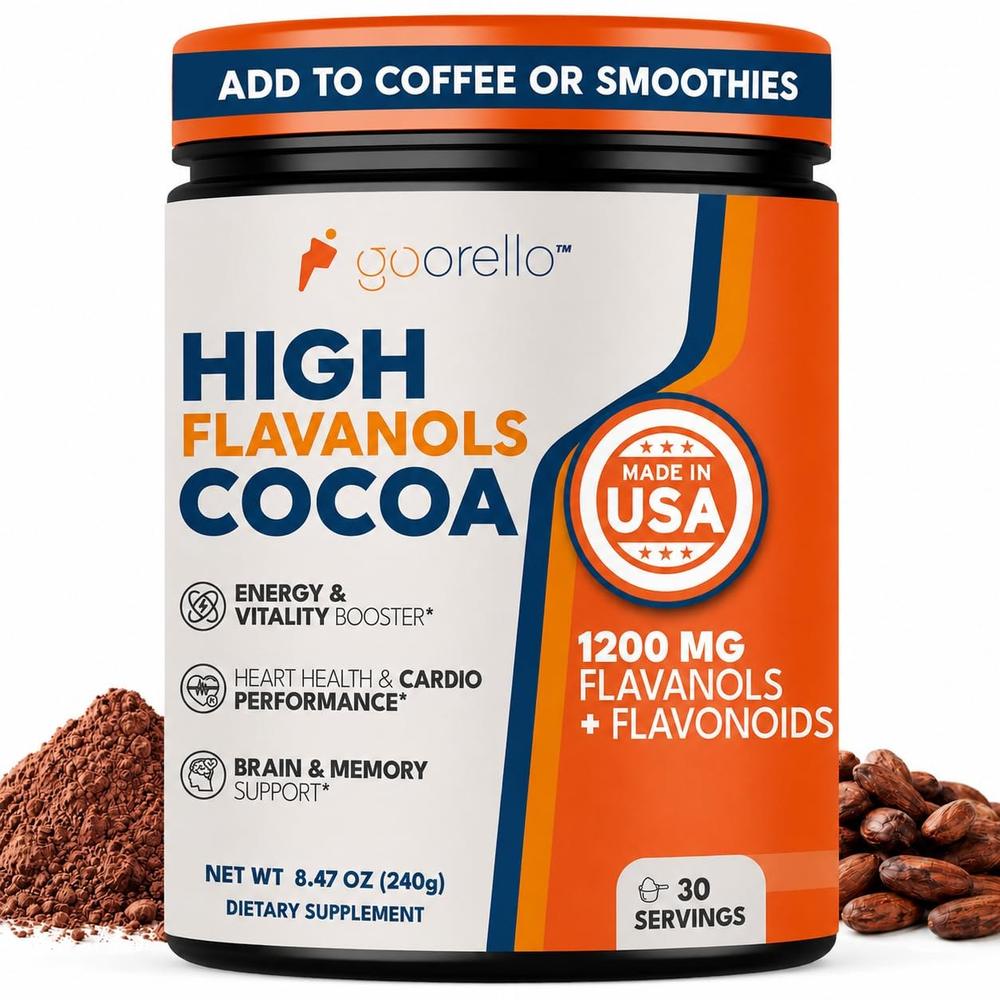
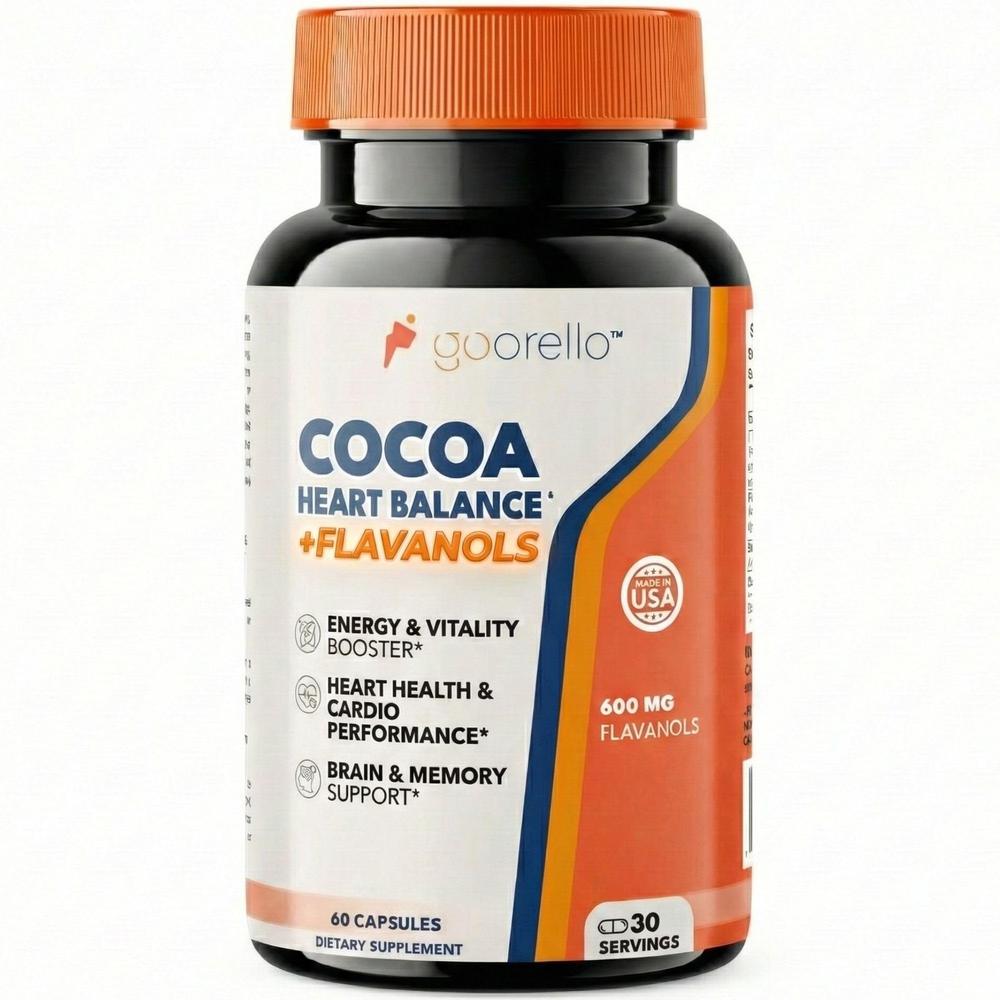
Supplements: If you find the taste of cocoa powder unappealing, encapsulated cocoa flavanol supplements are available. These provide a convenient, taste-neutral option for achieving therapeutic doses without the need to mix powders into foods or beverages.
Consistency is key when it comes to experiencing the cardiovascular benefits of cocoa flavanols. The research suggests that daily consumption over a period of weeks to months is necessary to achieve sustained improvements in blood pressure, endothelial function, and other markers of cardiovascular health.
Safety, Side Effects, and Considerations
Cocoa flavanols are generally considered safe for most people when consumed at recommended doses. The compounds are naturally occurring plant nutrients with a long history of human consumption. However, there are a few considerations to keep in mind:
Caffeine Content: Cocoa naturally contains small amounts of caffeine and theobromine, a related stimulant. While the caffeine content of high-flavanol cocoa powder is much lower than that of coffee, individuals who are sensitive to caffeine should be aware of this and may want to avoid consuming cocoa products late in the day.
Digestive Sensitivity: Some individuals may experience mild digestive discomfort, such as bloating or gas, when first introducing high-flavanol cocoa into their diet. Starting with a smaller dose and gradually increasing can help minimize these effects.
Medication Interactions: As mentioned earlier, cocoa flavanols have antiplatelet effects and may theoretically interact with blood-thinning medications such as warfarin, aspirin, or clopidogrel. If you are taking anticoagulant or antiplatelet medications, consult with your healthcare provider before adding high-dose cocoa flavanol supplements to your regimen.
Allergies: While rare, some individuals may have allergies to cocoa or cacao. If you experience symptoms such as itching, hives, or difficulty breathing after consuming cocoa products, discontinue use and seek medical attention.
Pregnancy and Breastfeeding: There is limited research on the safety of high-dose cocoa flavanol supplementation during pregnancy and breastfeeding. While moderate cocoa consumption is generally considered safe, pregnant and breastfeeding women should consult with their healthcare provider before using concentrated cocoa flavanol supplements.
The Bottom Line: Are Cocoa Flavanols Worth It?
The growing body of scientific evidence supporting the cardiovascular benefits of cocoa flavanols, combined with the FDA's qualified health claim, makes a compelling case for incorporating these compounds into a heart-healthy lifestyle. While cocoa flavanols are not a magic bullet and should not be viewed as a replacement for established cardiovascular disease prevention strategies—such as maintaining a healthy diet, exercising regularly, managing stress, and taking prescribed medications—they represent a valuable complementary tool for supporting cardiovascular wellness.
For individuals concerned about their heart health, particularly those with elevated blood pressure, endothelial dysfunction, or other cardiovascular risk factors, a daily dose of seven hundred to nine hundred milligrams of cocoa flavanols may offer meaningful benefits. The key is to choose high-quality products that have been minimally processed to preserve flavanol content and to consume them consistently as part of a comprehensive approach to health.
As research continues to evolve, our understanding of the full potential of cocoa flavanols will deepen. For now, the available evidence suggests that these remarkable plant compounds deserve a place in the conversation about evidence-based cardiovascular disease prevention.
References
[1] U.S. Food and Drug Administration. (2023, February 3). FDA Announces Qualified Health Claim for Cocoa Flavanols in High Flavanol Cocoa Powder and Reduced Risk of Cardiovascular Disease. Retrieved from https://www.fda.gov/food/hfp-constituent-updates/fda-announces-qualified-health-claim-cocoa-flavanols-high-flavanol-cocoa-powder-and-reduced-risk
[2] Crozier, S. J., Preston, A. G., Hurst, J. W., Payne, M. J., Mann, J., Hainly, L., & Miller, D. L. (2011). Cacao seeds are a "Super Fruit": A comparative analysis of various fruit powders and products. Chemistry Central Journal, 5(1), 5.
[3] González-Sarrías, A., et al. (2017). A Systematic Review and Meta-Analysis of the Effects of Flavanol-Containing Tea, Cocoa and Apple Products on Body Composition and Blood Lipids. Nutrients, 9(7), 746. Retrieved from https://www.mdpi.com/2072-6643/9/7/746
[4] Mozaffarian, D., et al. (2018). Flavonoids, Dairy Foods, and Cardiovascular and Metabolic Health. Current Atherosclerosis Reports, 20(1). Retrieved from https://pmc.ncbi.nlm.nih.gov/articles/PMC5781235/
[5] Research published September 2025 showing cocoa flavanol supplements lower inflammation linked to aging and cardiovascular disease (as referenced in strategic analysis document).
[6] Liu, D., et al. (2016). Mechanisms by which cocoa flavanols improve metabolic syndrome. Journal of Nutritional Biochemistry. Retrieved from https://www.hnfe.vt.edu/content/dam/hnfe_vt_edu/research/hipl/documents/JNutrBiochemStrat-2016.pdf
[7] Engler, M. B., & Engler, M. M. (2002). Evidence that the antioxidant flavonoids in tea and cocoa are beneficial for cardiovascular health. Current Opinion in Lipidology, 13(1), 41-49.
[8] COSMOS trial (2025) demonstrating "breathtaking" results regarding cocoa supplements' effects on older adults' heart health (as referenced in strategic analysis document).