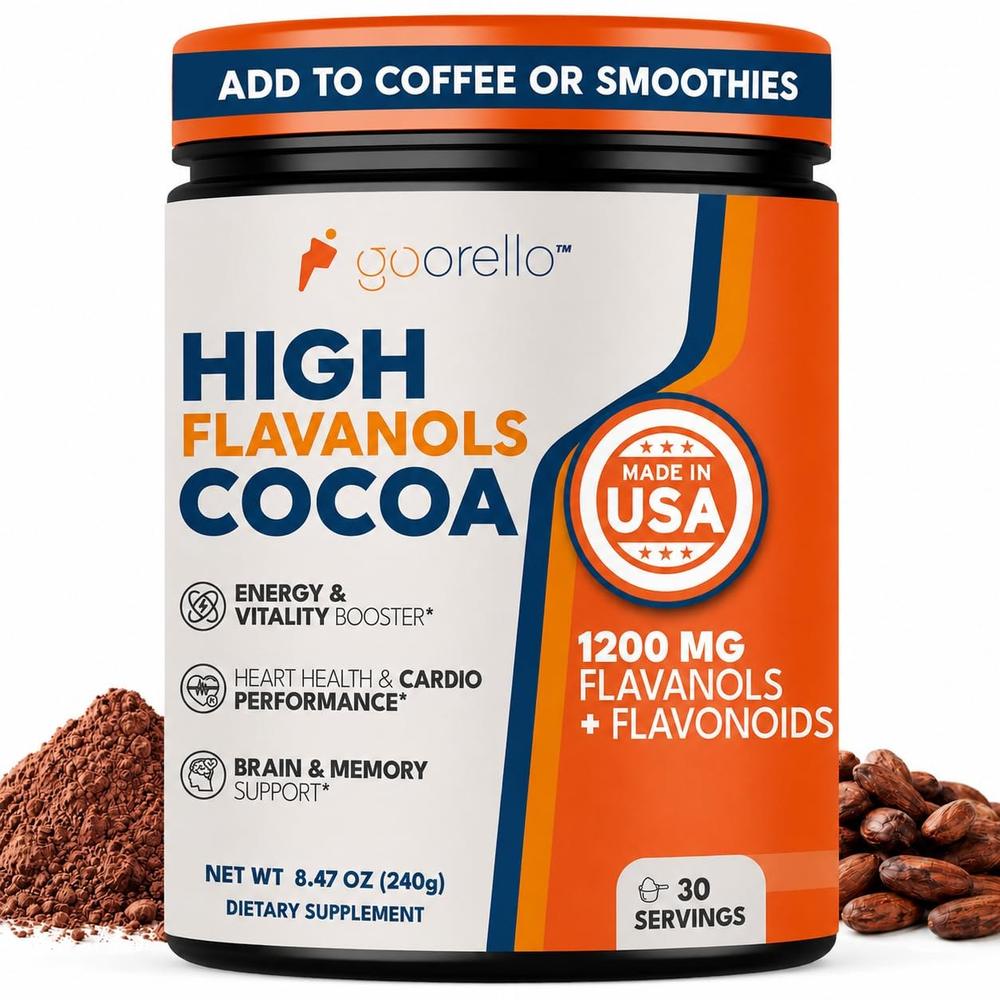
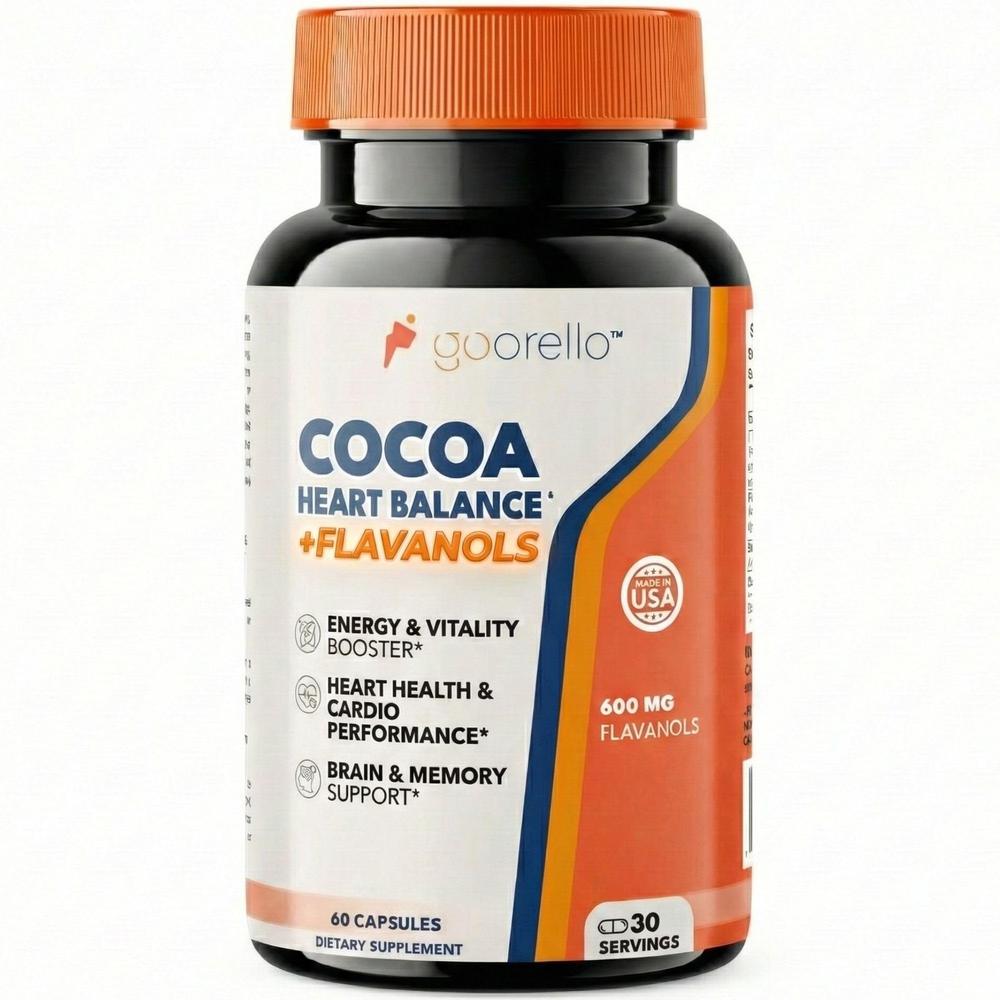
If you've ever wondered why dark chocolate gets so much attention in health circles, the answer comes down to one molecule: nitric oxide (NO). And the key to unlocking it? Cocoa flavanols.
What Is Nitric Oxide and Why Does It Matter?
Nitric oxide is a gas your body produces naturally that causes blood vessels to relax and widen — a process called vasodilation. Better vasodilation means:
- Lower blood pressure
- Improved circulation to muscles and the brain
- Reduced risk of arterial stiffness
- Better oxygen and nutrient delivery throughout the body
As we age, nitric oxide production declines. That's one reason why cardiovascular disease risk rises with age — and why researchers have been hunting for dietary compounds that can restore NO levels safely.
How Cocoa Flavanols Boost Nitric Oxide
Flavanols — specifically epicatechin and catechin — are plant compounds found abundantly in cacao. Multiple clinical trials have shown that these compounds stimulate the enzyme endothelial nitric oxide synthase (eNOS), which is responsible for producing nitric oxide in the inner lining of blood vessels.
A landmark study published in Nature demonstrated that just 2 hours after consuming high-flavanol cocoa, participants showed measurable improvements in flow-mediated dilation (FMD), a gold-standard measure of vascular function. The effect was dose-dependent: more flavanols, more nitric oxide, better blood flow.
Cocoa Flavanols vs. Other Nitric Oxide Boosters
You may have heard of other NO-boosting strategies — L-arginine supplements, beetroot juice, or even exercise. Here's how cocoa flavanols compare:
- L-arginine: A precursor to NO, but oral absorption is limited and it's rapidly broken down in the gut. Less effective than flavanols at clinically meaningful doses.
- Beetroot juice: Works via dietary nitrates converted to NO. Effective, but requires large amounts and has a strong taste that many find hard to sustain.
- Exercise: Excellent for NO, but not always accessible. Flavanols have been shown to provide complementary benefits on top of exercise.
- Cocoa flavanols: Act directly on eNOS, are well-tolerated, and show effects at doses achievable through high-flavanol cocoa products.
How Much Do You Need?
Research suggests benefits appear at around 200–400 mg of flavanols per day. Most commercial cocoa powders and chocolate bars lose the majority of their flavanols during heavy processing. That's why the source matters — look for minimally processed, high-flavanol cocoa.
Our Goorello High-Flavanol Cocoa Powder is crafted to preserve maximum flavanol content, making it one of the most effective ways to hit your daily target through food. Prefer a more convenient option? Our High-Flavanol Cocoa Capsules deliver a precise, measured dose in capsule form — ideal for those who want the benefits without the prep.
The Bottom Line
Nitric oxide is one of the most powerful molecules for cardiovascular health, and cocoa flavanols are one of the most evidence-backed dietary ways to support its production. Whether you blend our cocoa powder into your morning smoothie or take a daily capsule, you're giving your blood vessels a science-backed boost.
Ready to try it? Explore our High-Flavanol Cocoa Powder or Cocoa Capsules and feel the difference.