Most people associate cocoa with chocolate cravings. But a growing body of research points to something far more interesting: the flavanols naturally found in minimally processed cocoa are among the most potent nitric oxide (NO) boosters in the food world — and nitric oxide is a key driver of both cardiovascular health and cognitive focus.
What Are Cocoa Flavanols?
Cocoa flavanols are a class of plant-based antioxidants (specifically epicatechin and catechin) found in the cacao bean. Unlike many antioxidants, they have a direct, well-documented mechanism of action: they stimulate the enzyme eNOS (endothelial nitric oxide synthase), which produces nitric oxide in your blood vessel walls.
The catch? Standard cocoa processing — roasting, dutching, and alkalization — destroys up to 90% of the flavanols. This is why most hot chocolates and chocolate bars deliver very little of the benefit seen in clinical studies. High-flavanol cocoa, by contrast, is processed specifically to preserve these compounds.
Cocoa Flavanols and Nitric Oxide: The Mechanism
Nitric oxide is a signaling molecule that tells blood vessels to relax and widen — a process called vasodilation. This has two major downstream effects:
- Cardiovascular: Lower blood pressure, better arterial flexibility, reduced platelet clumping.
- Cognitive: Increased cerebral blood flow, meaning more oxygen and glucose delivered to working neurons.
A landmark study published in Nature Neuroscience found that high-flavanol cocoa intake improved memory and cognitive function in older adults, with the effect correlating directly with blood flow increases in the hippocampus — the brain's memory hub.
Focus and Mental Clarity: What the Research Shows
Several randomized controlled trials have investigated cocoa flavanols and brain performance:
- A 2014 study in Physiology & Behavior found that a single dose of high-flavanol cocoa improved attention and working memory in young adults during demanding cognitive tasks.
- Research from the University of L'Aquila showed that daily flavanol consumption over 8 weeks improved verbal fluency, attention, processing speed, and working memory — particularly in participants who started with mild cognitive impairment.
- Multiple studies demonstrate acute (within-hour) effects on cerebral blood flow after a single high-flavanol cocoa dose, suggesting it can support focus on demand, not just with long-term use.
How Much Cocoa Flavanols Do You Need for a Cognitive Effect?
Study doses typically range from 250 mg to 900 mg of cocoa flavanols per day. This is far more than a cup of standard hot chocolate delivers. To reach effective levels, you need either a precisely dosed supplement or a verified high-flavanol cocoa product where the flavanol content per serving is stated.
Getting Enough: Powder vs. Capsules
There are two practical ways to get a meaningful daily dose of cocoa flavanols:
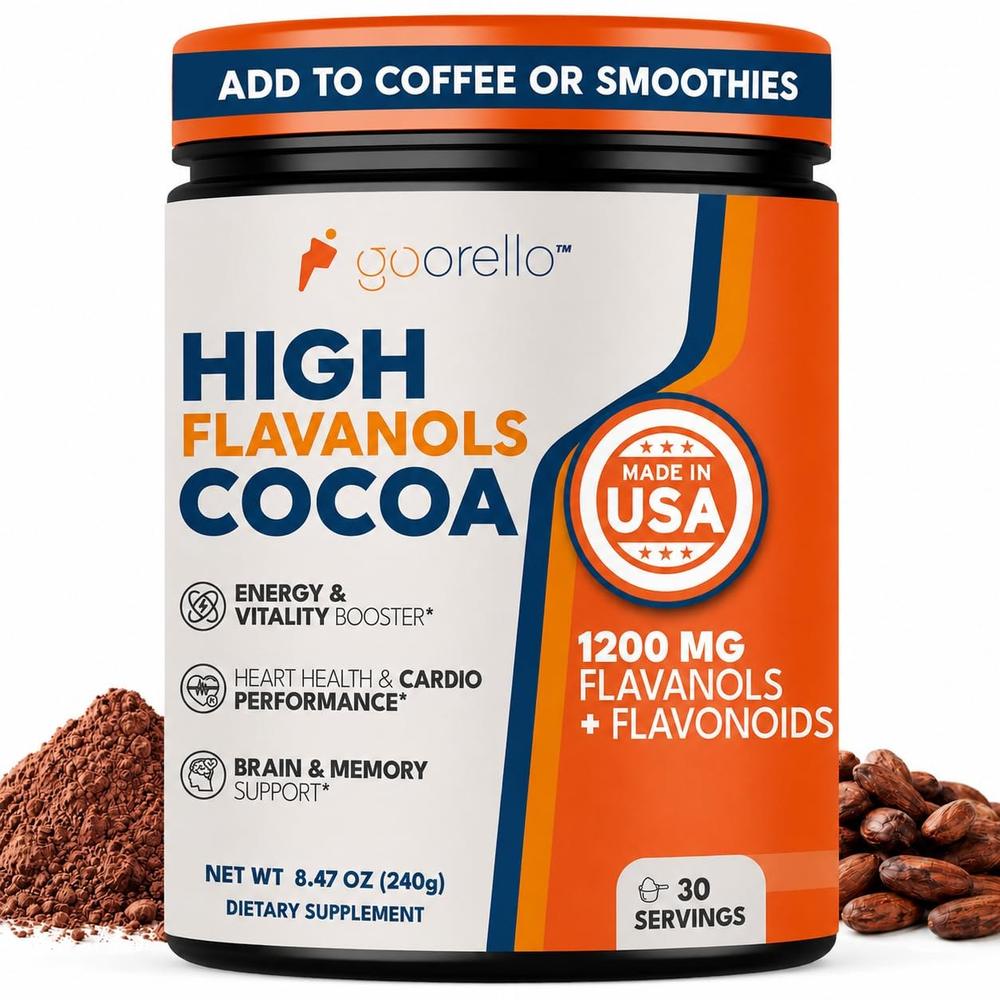
- High-flavanol cocoa powder — Mix into smoothies, oatmeal, or warm milk. You control the dose and enjoy the culinary ritual. Our Goorello High Flavanols Cocoa Powder is minimally processed to preserve the naturally occurring flavanols, with no dutching or alkalization.
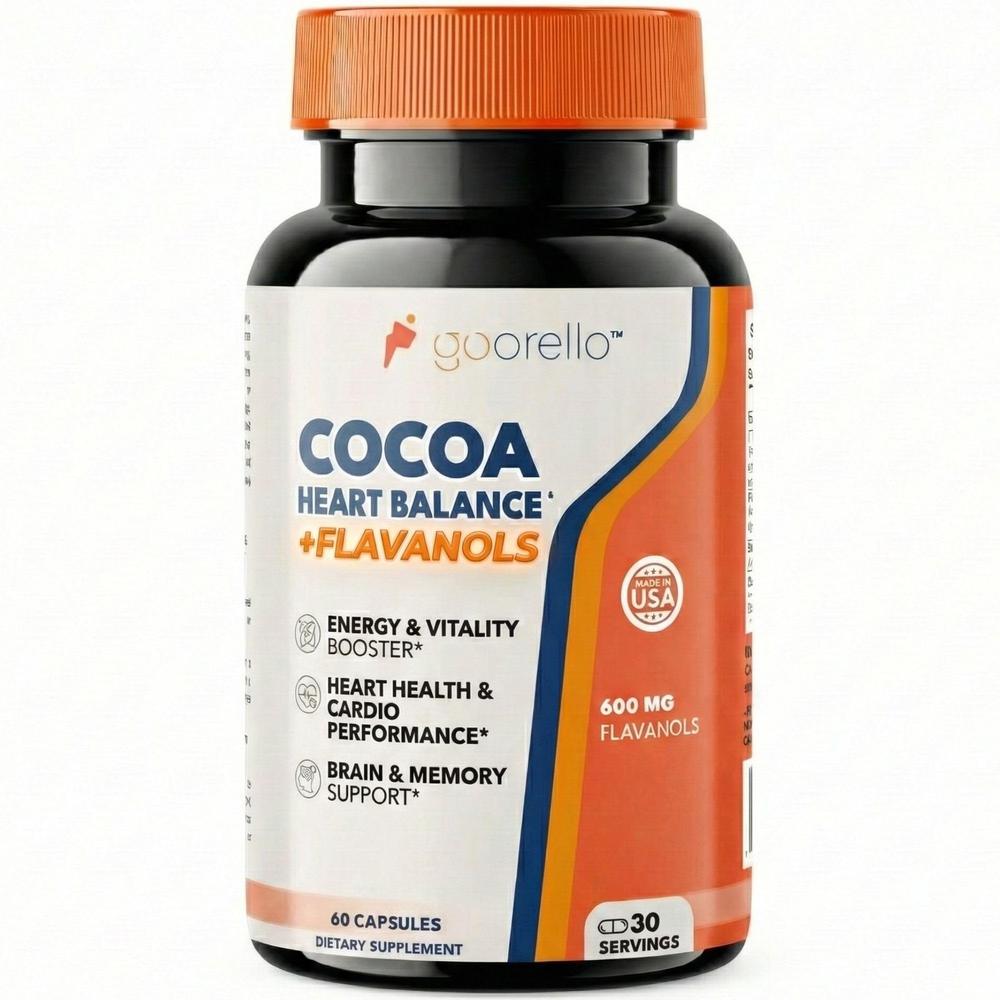
- Cocoa capsules — Convenient, portable, and consistent. Each capsule delivers a standardized flavanol dose without preparation. Our High-Flavanol Cocoa Capsules are designed specifically for daily heart and focus support, making it easy to hit your target every day.
The Bottom Line
Cocoa flavanols are not a nootropic gimmick — they have a clear, replicated biological mechanism (NO production → vasodilation → increased cerebral blood flow) backed by peer-reviewed research. For anyone interested in supporting both cardiovascular health and cognitive performance with a single evidence-based daily habit, high-flavanol cocoa is worth a serious look.
The key is sourcing: only minimally processed, high-flavanol cocoa delivers the doses used in studies. Check the label for stated flavanol content, and avoid products that have been heavily roasted or dutched.